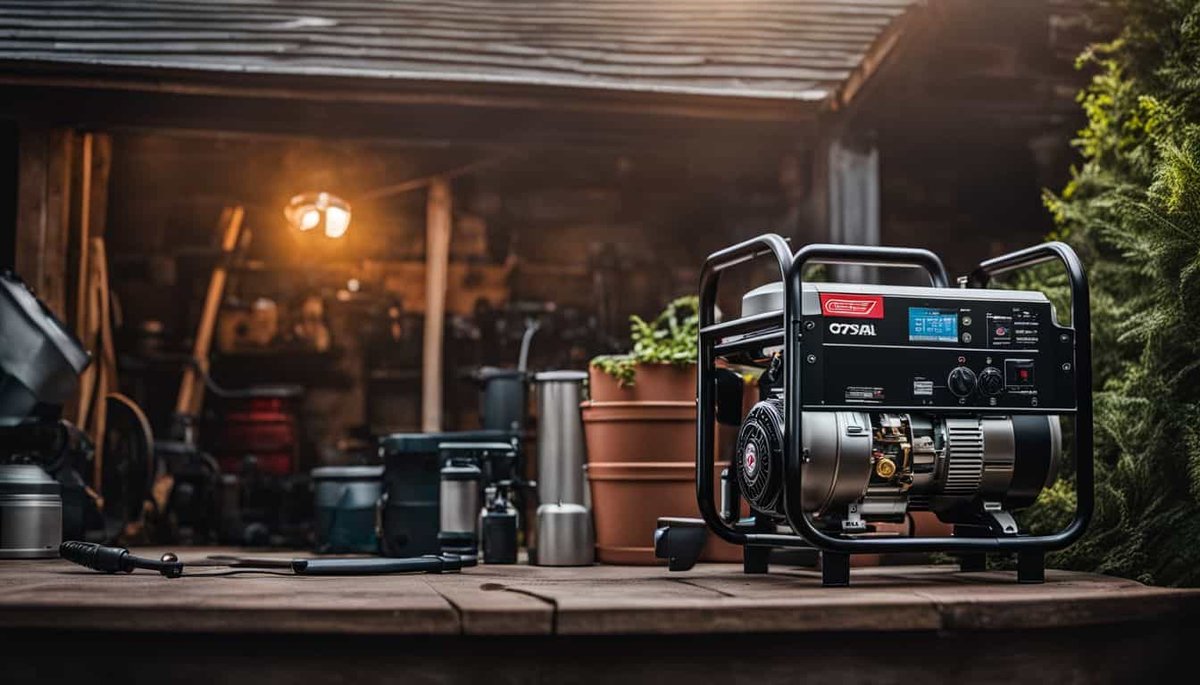
When the lights go out, your portable diesel generator should roar to life, a steadfast guardian against the dark. But what happens when it sputters, refuses to start, or throws a fit of mysterious shutdowns? Panic is a natural first reaction, but a clear head and a systematic approach are your best allies. Knowing how to diagnose and fix common portable diesel generator problems isn't just about saving money on repair bills; it's about restoring power, protecting your equipment, and maintaining your peace of mind.
This comprehensive guide will arm you with the knowledge to troubleshoot the most frequent issues, turning potential breakdowns into manageable hiccups. We'll delve into everything from a reluctant engine to fluctuating power, giving you the practical solutions you need to keep your diesel powerhouse purring.
At a Glance: Your Troubleshooting Cheat Sheet
Before we dive deep, here’s a quick overview of what to look for when your portable diesel generator acts up:
- No Start: Check battery, fuel, filters, and circuit breakers first.
- Overheating: Look for blocked vents, low coolant, or overloading.
- Low Oil: Stop immediately! Check levels and pressure.
- Fuel Issues: Contamination, old fuel, or clogged filters are common culprits.
- Power Problems: Inspect electrical connections, AVR, and manage your load.
- Noises/Vibrations: Could indicate loose parts or internal wear.
- Smoke Signals: Often points to air, fuel, or exhaust system problems.
- Frequent Shutdowns: Typically a safety response to low oil or high temp.
- Maintenance is Key: Regular service prevents most issues.
- When in Doubt: Don't hesitate to call a certified professional.
Decoding Your Diesel Dynamo: A Quick Overview
Portable diesel generators are renowned for their robust design, fuel efficiency, and long lifespan. They work by using a diesel engine to spin an alternator, converting mechanical energy into electrical power. This process, while seemingly simple, involves several interconnected systems: fuel, electrical, cooling, lubrication, air intake, and exhaust. When any one of these systems falters, your generator’s performance takes a hit.
Understanding these basics means you can approach troubleshooting not as a guessing game, but as an informed process of elimination. Ready to get your hands a little dirty (metaphorically, of course – safety first!)? Let's tackle those common problems.
When Silence Isn’t Golden: Troubleshooting a Generator That Won’t Start
Few things are more frustrating than a generator that refuses to kick into gear when you need it most. Often, the culprit is surprisingly simple.
The Usual Suspects Behind a No-Start Scenario:
- Dead or Weak Battery: This is the number one offender. Your generator’s starting motor needs a strong jolt, typically around 12.6 volts, to crank the engine. Cold weather can significantly reduce battery performance, too.
- Your Move: Check battery voltage with a multimeter. Inspect terminals for corrosion and ensure connections are tight. If the battery is weak, try jump-starting (following manufacturer guidelines) or charge it. If it's old, it might be time for a replacement.
- Low or Stale Fuel: Sounds obvious, right? But many overlook this. Diesel fuel degrades over time, especially when exposed to air and temperature fluctuations. It can also get sludgy or contaminated.
- Your Move: Verify fuel levels. If the fuel has been sitting for more than 6-12 months, it might be stale. Consider draining it and refilling with fresh, quality diesel. Add a fuel stabilizer for long-term storage.
- Clogged Fuel Filters: Over time, sediment, water, and even microbial growth (algae, bacteria) can clog your fuel filters, restricting flow to the engine.
- Your Move: Replace fuel filters regularly as part of your maintenance schedule. If your generator often runs in dusty or humid conditions, you might need to change them more frequently. Keep spares on hand!
- Tripped Circuit Breaker: Just like in your home, your generator has breakers to protect its electrical system from overload. A tripped breaker can prevent the unit from starting or supplying power.
- Your Move: Check both the generator's main output breaker and any individual circuit breakers on the control panel. Reset them if tripped.
- Loose or Corroded Wiring: Vibrations and exposure to the elements can cause electrical connections to loosen or corrode, disrupting crucial signals to the starter or control panel.
- Your Move: Visually inspect all wiring, especially around the battery, starter motor, and control panel. Clean any corrosion with a wire brush and tighten connections.
- Faulty Starter Motor: If you hear a click but no crank, or a grinding noise, the starter motor itself might be failing.
- Your Move: This often requires professional diagnosis, but you can check its wiring first.
- ECU/Control Panel Failure: The electronic control unit (ECU) manages many engine functions. A fault here can prevent starting or operation.
- Your Move: Check for any error codes displayed on the control panel. Consult your owner's manual for their meaning.
Running Too Hot: Taming an Overheating Engine
An engine running too hot is a serious issue that can lead to catastrophic damage if not addressed quickly. Safety sensors are designed to shut down the generator to prevent this, but it’s better to understand the causes.
Why Your Generator Might Be Feeling the Heat:
- Blocked Air Vents or Dirty Cooling Fins: Diesel engines rely on air circulation to dissipate heat. Dust, debris, or even overgrown vegetation can block air inlets and exhaust vents, trapping heat.
- Your Move: Regularly clean the exterior of your generator, paying special attention to cooling fins and air vents. Use compressed air or a soft brush.
- Low Coolant Levels: For liquid-cooled diesel generators, coolant is essential. A low level means insufficient heat transfer.
- Your Move: Check the coolant reservoir level when the engine is cool. Top off with the manufacturer-recommended coolant type. Look for leaks if the level is consistently low.
- Faulty Thermostat: A stuck-closed thermostat prevents coolant from circulating through the radiator, leading to rapid overheating.
- Your Move: A faulty thermostat needs replacement. This is typically a straightforward but precise repair.
- Damaged Radiator Cap: A radiator cap maintains pressure in the cooling system, raising the boiling point of the coolant. A faulty cap can cause coolant to boil over prematurely.
- Your Move: Inspect the cap's rubber seals and spring. Replace if damaged or if it doesn't hold pressure.
- Inadequate Ventilation: If your generator is operating in an enclosed space without proper airflow, it will struggle to cool itself.
- Your Move: Always ensure your generator has ample clear space around it for proper ventilation. Never operate it indoors or in confined spaces.
- Overloading: Pushing your generator beyond its rated capacity forces the engine to work harder, generating excessive heat.
- Your Move: Calculate your total electrical load and ensure it's within the generator's capacity. Avoid running too many high-draw appliances simultaneously. For typical home needs, calculate essential electrical loads and add 25% for safety – often 15-20 kW for basic needs, 25-30 kW for larger homes.
The Lifeblood Low: Addressing Low Oil Pressure
Oil is the lifeblood of your engine, lubricating moving parts and carrying away heat. Low oil pressure is an emergency warning that demands immediate attention.
What Causes the Oil Pressure to Drop?
- Insufficient Oil Levels: The simplest explanation. If there isn't enough oil, the pump can't maintain pressure.
- Your Move: Immediately shut down the generator if you see a low oil pressure warning! Check the oil dipstick and add the manufacturer-recommended oil grade until the level is correct. Never run a generator with low oil.
- Worn Oil Pump Components: Over time, the oil pump can wear out, losing its efficiency in circulating oil.
- Your Move: This requires professional inspection and repair.
- Clogged Oil Filters: A dirty oil filter restricts oil flow, leading to a drop in pressure.
- Your Move: Replace dirty oil filters during scheduled maintenance.
- Incorrect Oil Viscosity: Using oil that's too thin or too thick for your operating temperature or engine type can affect pressure.
- Your Move: Always use the manufacturer-recommended oil grade. Check your owner's manual.
- Internal Engine Wear/Leaks: Worn bearings, seals, or gaskets can allow oil to escape or pressure to drop internally.
- Your Move: Inspect for visible leaks around the engine. Internal wear requires professional diagnosis.
Fuel System Nightmares: Contamination, Clogs, and Leaks
The fuel system is often a source of trouble because diesel fuel itself can be problematic if not handled correctly.
Common Fuel System Ailments:
- Water Contamination: Water can get into your fuel tank through condensation or improper storage. Water doesn't burn and can cause corrosion in your fuel system.
- Your Move: Regularly drain any water accumulated at the bottom of your fuel tank (if equipped with a drain plug). Consider installing a fuel-water separator.
- Algae/Bacteria Growth: Microbial contaminants thrive in diesel fuel, especially with the presence of water. They can create a slimy sludge that clogs filters and lines.
- Your Move: Use a biocide treatment designed for diesel fuel, particularly if storing fuel for extended periods.
- Old Diesel Fuel Breaking Down: As mentioned, diesel degrades, forming gums and varnishes that can clog injectors and filters.
- Your Move: Always use fresh diesel. If storing fuel, add a quality fuel stabilizer. Diesel fuel lasts 6-12 months with proper storage and stabilizers in clean, dry containers away from sunlight and temperature extremes.
- Clogged Fuel Filters: Again, a common issue from contaminants.
- Your Move: Regular replacement is key.
- Air in Fuel Lines: After running out of fuel or replacing filters, air can get trapped in the fuel lines, preventing fuel from reaching the engine.
- Your Move: Many diesel systems require "priming" or "bleeding" the air out of the fuel lines after fuel system work. Consult your manual for the specific procedure.
- Faulty Injectors: Clogged, worn, or malfunctioning fuel injectors won't atomize fuel correctly, leading to poor combustion or no start.
- Your Move: Injector issues usually require professional diagnosis and cleaning or replacement.
- Fuel Leaks: Visible leaks are a fire hazard and obviously reduce fuel supply.
- Your Move: Inspect fuel lines, connections, and the tank for any signs of leakage. Repair or replace damaged components immediately.
Electrical Glitches & Power Problems: When Output Isn’t Right
Your generator's job is to produce stable electricity. When it fails to do so, the problem lies within its electrical generation or regulation components.
Diagnosing Power Output Issues:
- Corroded/Damaged Electrical Connections: Just like the starter, general electrical connections can degrade, interrupting current flow or causing resistance.
- Your Move: Inspect, clean, and tighten all electrical connections, especially those related to output, control panel, and voltage regulator.
- Damaged Wiring (Rodents/Weather): Rodents love to chew on wires, and exposure to elements can degrade insulation and conductors.
- Your Move: Visually check all wiring for nicks, breaks, or signs of chewing. Replace damaged wiring promptly.
- Faulty Control Panels/Voltage Regulators (AVR): The Automatic Voltage Regulator (AVR) is crucial for maintaining a stable voltage output. A faulty AVR or control panel can lead to low, high, or fluctuating power.
- Your Move: If you suspect an AVR issue, it often requires replacement. Some control panel faults can be reset, but persistent issues might need professional repair. In a real-life scenario, a loose wire in the AVR's input circuit once caused an overvoltage, preventing a generator from starting. Tightening it restored stability.
- Worn Generator Windings: The copper windings in the alternator can degrade over time, reducing efficiency or causing shorts.
- Your Move: This is a professional repair, often involving rewinding the alternator.
- Inconsistent Engine Speed: The generator’s output frequency (Hz) is directly tied to engine speed (RPM). If the engine isn't maintaining a consistent RPM, your frequency will fluctuate.
- Your Move: Check the engine's governor and fuel delivery system. An inconsistent fuel supply or a malfunctioning governor can cause RPM fluctuations.
- Overloading: Again, an overloaded generator will struggle to maintain voltage and frequency, potentially leading to sag or even shutdown.
- Your Move: Carefully manage your electrical load. Understand your generator’s continuous and surge wattage ratings. If you're looking to upgrade or ensure your current setup is optimal, you might want to explore portable diesel generators that fit your specific power needs.
Choked for Air: The Impact of a Blocked Air Filter
Just as humans need to breathe clean air, so does your diesel engine. A dirty air filter starves the engine of oxygen, impairing combustion and overall performance.
The Symptoms of a Stifled Air Filter:
- Dusty Operating Environments or Neglected Maintenance: If you operate your generator in a construction zone, agricultural setting, or simply neglect regular checks, filters will clog quickly.
- Torn/Collapsed Paper Filters: Physical damage can compromise the filter’s integrity, allowing unfiltered air (and debris) into the engine.
Getting Your Generator to Breathe Easy:
- Your Move: Inspect air filters monthly, or more frequently in dusty conditions. Replace disposable paper filters when they appear dirty or damaged. Clean reusable foam filters according to manufacturer instructions. Consider heavy-duty filters if you consistently operate in challenging environments. Always keep spare filters on hand; they're inexpensive and crucial.
The Slow Leak: Coolant System Breaches
For liquid-cooled generators, a coolant leak is a continuous drain on your cooling system, leading to eventual overheating.
Where the Coolant Goes Astray:
- Aging/Brittle Rubber Hoses: Rubber hoses can harden, crack, or swell over time, especially from heat cycles.
- Loose Hose Clamps: Vibrations can cause hose clamps to loosen, creating small gaps for coolant to seep out.
- Corrosion in the Radiator or Water Pump Housing: Chemical reactions or material fatigue can lead to pinhole leaks in metal components.
Sealing Up the System:
- Your Move: Visually inspect all hoses for cracks, bulges, or hardening. Replace any suspect hoses. Check and tighten all hose clamps. For minor radiator leaks, a temporary stop-leak product can buy you time, but a long-term fix often involves radiator repair or replacement. Regularly flushing your cooling system can prevent corrosion buildup.
Rattles, Hums, and Grinds: Addressing Excessive Vibration & Abnormal Noise
Your generator should run with a consistent, strong hum. Any new or excessive vibration, rattling, or grinding is a clear warning sign.
What Might Be Causing the Ruckus:
- Loose Engine Mounts: These rubber or metal mounts absorb engine vibration. If they loosen or degrade, the engine can vibrate excessively against the frame.
- Your Move: Check all engine mount bolts and tighten them securely. Inspect the mounts themselves for cracks or wear.
- Unbalanced/Damaged Cooling Fans: A bent fan blade or an accumulation of debris on the fan can cause imbalance and vibration.
- Your Move: Inspect the cooling fan for any damage or debris buildup. Clean or replace if necessary.
- Worn Engine Bearings/Internal Components: This is a more serious internal issue where parts like crankshaft or connecting rod bearings are failing.
- Your Move: Listen for specific knocking or grinding noises that change with engine RPM. These typically require professional internal engine repair.
- Misalignment: If the engine and generator (alternator) are misaligned, it can cause vibration and premature wear on coupling components.
- Your Move: This often requires specialized tools and expertise for assessment and correction.
- Insufficient Lubrication: This circles back to low oil pressure but can manifest as increased friction and noise.
- Your Move: Ensure proper oil levels and pressure as discussed earlier.
Smoke Signals: Exhaust System Issues & Excessive Emissions
The color of your generator's exhaust smoke can be a tell-tale sign of deeper problems. While a little white smoke on start-up is normal, persistent or colored smoke indicates an issue.
Reading the Smoke:
- Blue Smoke: Often indicates burning oil. Causes include worn piston rings, valve guides, or excessive oil level.
- White Smoke: Can indicate unburnt fuel, water/coolant in the combustion chamber, or cold engine operation.
- Black Smoke: Typically means incomplete combustion due to too much fuel, not enough air (clogged air filter), or faulty injectors.
Addressing Exhaust and Emissions:
- Carbon Buildup in Pipes: Exhaust systems can accumulate carbon, restricting flow and impacting performance.
- Your Move: Periodically inspect and clean carbon deposits from the exhaust pipe.
- Damaged Exhaust Gaskets/Corroded Components: Leaks in the exhaust system reduce back pressure and can allow harmful fumes to escape.
- Your Move: Replace damaged exhaust gaskets and any corroded exhaust components. Ensure the exhaust system is properly supported and separated from combustible materials.
- Over-fueling/Dirty Air Filters/Injector Faults: These all contribute to incomplete combustion, often resulting in black smoke.
- Your Move: Ensure your air filter is clean, check fuel injectors for proper spray patterns, and ensure the engine isn't being over-fueled. Regular generator operation under a moderate load can help prevent carbon buildup in the engine and exhaust, optimizing combustion. For more insights on optimal generator use and selection, check out our guide to portable diesel generators.
The Unwanted Interruptions: Frequent Automatic Shutdowns
Modern diesel generators are equipped with sophisticated safety sensors that monitor critical parameters. If any of these parameters fall outside safe limits, the generator will automatically shut down to prevent damage.
Understanding the Safety Stops:
- Low Oil Pressure: As discussed, this is a critical safety trigger.
- High Coolant Temperature: Another major safety trigger, preventing overheating.
- Overload: Sensing that it's being asked to do too much work, the generator will shut down to protect its components.
- Other Activated Safety Sensors: Depending on your generator model, there might be sensors for low fuel, over-speed, under-speed, or voltage/frequency anomalies.
Your Action Plan for Shutdowns:
- Your Move: Do not just restart the generator repeatedly. Address the underlying cause of the low oil, high temperature, or overload immediately. Check your control panel for any specific fault codes, which will pinpoint the activated sensor. Inspect sensor functionality if you suspect a false alarm, though this is less common.
A Systematic Approach: Your Troubleshooting Checklist
When faced with a problem, don't just randomly poke around. Follow a logical process of elimination.
- Conduct a Thorough Visual Inspection (The "Look and Listen" Test):
- Walk around the generator. Look for visible leaks (fuel, oil, coolant), loose wires, damaged hoses, or unusual wear.
- Listen for any abnormal noises on startup or during operation.
- Smell for burning odors or strong fuel/exhaust fumes.
- Review Control Panel Error Codes:
- Your generator's control panel or ECU (Engine Control Unit) is your best friend. It displays fault codes that directly tell you what system is reporting an issue. Consult your owner's manual for code interpretations.
- Verify Fuel Supply & Quality:
- Is there enough fuel in the tank? Is it fresh?
- Check for water contamination at the bottom of the tank.
- Inspect fuel lines for clogs, air locks, or leaks.
- Test Battery Health:
- Use a battery tester or multimeter to check voltage (~12.6V is good) and cranking power.
- Clean any corrosion from battery terminals and ensure connections are tight.
- Measure Engine Temperature & Oil Pressure:
- If your generator has gauges, monitor these. If it's shutting down due to these, confirm the sensors are working correctly.
- Inspect the Alternator & Voltage Output:
- If you have power output issues, visually inspect the AVR (Automatic Voltage Regulator), brushes, and rotor for wear or damage.
- Use a multimeter to test output voltage and frequency at the generator's receptacles.
- Run Under Load (Carefully):
- Once you've addressed initial issues, restart the generator and monitor its performance under varying load conditions. Look for fluctuations, unusual noises, or signs of overheating. Start with a light load and gradually increase.
Proactive Care: Keeping Your Generator Healthy
Prevention truly is the best medicine when it comes to generators. Adhering to a maintenance schedule will dramatically reduce your troubleshooting woes.
- Stick to the Service Schedule: Service your diesel generator every 100-200 hours of operation, or annually, whichever comes first. This includes oil changes, filter replacements (fuel, oil, air), and general inspections.
- Maintain a Logbook: Keep a detailed log of all maintenance performed, hours of operation, fault codes encountered, and any unusual behaviors. This historical data is invaluable for diagnostics.
- Master Load Management: Always ensure the electrical load is well-distributed and within your generator's limits. Avoid sudden, large load changes where possible. If you frequently find yourself overloading, it might be time to consider a more powerful portable diesel generator.
- Regular Operation is Key: Even if you don't need it, run your generator regularly (e.g., once a month for 30 minutes under a moderate load). This prevents fuel stagnation, battery discharge, carbon buildup, and keeps seals and components lubricated.
- Demand Genuine Parts: When replacing components, always opt for genuine spare parts or high-quality equivalents recommended by the manufacturer. Cheap parts can lead to premature failure and more problems down the road.
- Fuel Type Matters: Use only diesel fuel designed for engines. Never use heating oil or any other fuel type, as it can severely damage your engine and void warranties.
- Smart Fuel Storage: As mentioned, store diesel fuel in clean, sealed, opaque containers away from direct sunlight and extreme temperature fluctuations. Use a fuel stabilizer for long-term storage.
When to Wave the White Flag: Calling in the Pros
While many common issues are within the grasp of a capable DIYer, there are times when professional help is not just recommended, but essential.
Call a certified repair service if:
- The generator continues to shut down without a clear, easily identifiable cause, even after you've performed basic checks.
- It displays repeated or persistent ECU fault codes that you can't resolve through basic troubleshooting.
- You suspect significant internal mechanical damage (e.g., grinding noises indicating worn bearings, broken pistons, shaft misalignment). These require specialized tools, diagnostic equipment, and expertise.
- You're dealing with complex electrical issues beyond simple connection checks (e.g., testing generator windings, deep AVR diagnostics).
- You're uncomfortable or unsure about any repair step. Safety should always be your top priority.
Professionals offer deeper diagnostics, access to specialized tools, and repairs that meet OEM standards, ensuring your investment is protected and your generator runs reliably for years to come. For more on the robust reliability of these units, feel free to delve into the world of portable diesel generators.
Real-World Fixes: A Troubleshooting Story
Sometimes, the most baffling problems have surprisingly simple roots. Consider an emergency generator that repeatedly experienced an overvoltage issue during a critical blackout. Every attempt to close its main circuit breaker was met with immediate tripping, leaving a vital facility without power.
The initial thought was a faulty voltage regulator or a major electrical short. However, a meticulous technician, following a systematic troubleshooting process, discovered the root cause: a subtly loose Potential Transformer (PT) wire within the Automatic Voltage Regulator (AVR) input circuit. This tiny, almost imperceptible flaw meant the AVR wasn't receiving accurate feedback about the generator's output voltage. It was essentially flying blind, overcompensating and causing the output to spike above the safe threshold.
The fix? Simply tightening the loose wire and then reprogramming the AVR to recalibrate its settings. The generator immediately stabilized its output at the correct 600V AC, and power was restored. This scenario highlights the importance of thorough visual inspections and understanding how each component contributes to the whole. Even a minor connection can wreak havoc on an entire system, underscoring why a comprehensive guide to portable diesel generator troubleshooting is so valuable.
Powering Forward: Confidence in Every Spark
Your portable diesel generator is an indispensable tool, a beacon of reliability when grids falter or power is needed off-grid. By understanding the common problems, knowing how to systematically troubleshoot, and committing to proactive maintenance, you're not just preventing breakdowns; you're building confidence in your ability to keep things running smoothly.
Don't let a minor hiccup escalate into a major headache. With the insights from this guide, you're now equipped to diagnose, often fix, and always expertly manage the health of your diesel powerhouse. Go forth, troubleshoot with purpose, and ensure your generator is always ready for its next challenge.