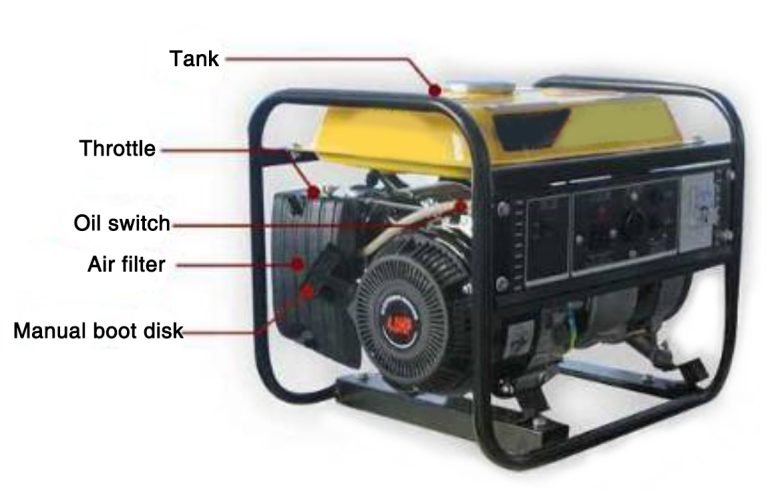
Operating a portable diesel generator can be a game-changer during power outages, offering reliable backup for your home or business. But like any powerful tool, ensuring the Safe Operation & Setup of Portable Diesel Generators isn't just about flipping a switch—it's about understanding and respecting the inherent risks to prevent deadly accidents, property damage, and costly downtime. This isn't just a manual; it's your comprehensive guide to harnessing that power confidently and securely, protecting both your investment and, more importantly, your loved ones.
At a Glance: Key Takeaways for Safe Generator Use
- Location is Everything: Always operate your generator outdoors, at least 20 feet from any building, door, or window. Carbon monoxide is silent and deadly.
- Prevent CO Poisoning: Install battery-operated carbon monoxide (CO) detectors in your home, especially near sleeping areas.
- Electrical Smart Practices: Use heavy-duty, outdoor-rated extension cords, avoid overloading, and never plug a generator directly into a wall outlet (backfeeding). Consider a transfer switch for home backup.
- Fuel with Caution: Allow the generator to cool completely before refueling. Store fuel in approved containers in a cool, dry, well-ventilated area, away from living spaces and ignition sources.
- Regular Maintenance is Non-Negotiable: Follow manufacturer guidelines for oil changes, filter replacements, and system checks to ensure reliability and safety.
- Prepare for All Conditions: Protect your generator from the elements with appropriate covers and adapt operation for extreme cold or hot weather.
- Know Your Limits: Understand your generator's wattage capacity and the load you intend to place on it. Never exceed its rated output.
The Unseen Dangers: Why Safety Isn't Optional
Portable diesel generators, while incredibly useful, bring with them a set of serious hazards that demand your respect and proactive prevention. We're talking about risks that can range from inconvenient equipment damage to life-threatening emergencies. The four primary dangers are Carbon Monoxide (CO) poisoning, electrical shock, fire, and excessive noise. Ignoring these warnings is simply not an option.
Carbon Monoxide: The Silent, Deadly Threat
Carbon monoxide (CO) is an odorless, colorless gas produced by internal combustion engines, including your diesel generator. It's truly insidious because you can't see or smell it, yet it can overcome you and your family rapidly, leading to permanent brain damage or death. Symptoms like headache, dizziness, weakness, nausea, vomiting, chest pain, and confusion are early warning signs—but by then, it might be too late if you're not in fresh air.
Your absolute first line of defense against CO poisoning is location. A generator must always be operated outdoors. Period. Even operating it in a garage with the door open is dangerously insufficient. Fresh air ventilation is critical.
Beyond proper placement, install battery-operated CO detectors inside your home, particularly in sleeping areas. Treat them like smoke detectors—test them regularly and replace batteries as needed. If a CO alarm sounds, or if you suspect CO poisoning, immediately move everyone to fresh air and seek emergency medical attention.
Electrical Shock & Fire: Taming the Current
The electricity a portable generator produces is just as dangerous as utility power. Mismanaging connections can lead to severe electrical shocks, electrocution, or spark electrical fires. Faulty cords, overloaded circuits, or improper grounding are all potential disaster scenarios.
Fire risk extends beyond electrical faults to fuel handling. Diesel fuel is less volatile than gasoline but still highly flammable. Spills, leaks, or refueling a hot engine can easily ignite, turning a power outage into a much more catastrophic event.
Choosing Your Operational Environment: Location, Location, Location
Where you set up your portable diesel generator is arguably the single most critical safety decision you'll make. It’s not just about convenience; it’s about creating a safe zone for your generator to operate without endangering anyone.
The 20-Foot Rule and Essential Ventilation
Remember the "20-foot rule": Your generator must be placed at least 20 feet away from your home, any windows, doors, or vents that could allow exhaust fumes to enter your living space. This distance provides a crucial buffer against CO infiltration. Always position the exhaust muffler facing away from your home or any occupied structures. Never, under any circumstances, operate a generator in an enclosed or partially enclosed space, such as a garage, basement, crawl space, or even a shed. These spaces trap CO, creating a lethal environment.
Protecting from the Elements
While your generator needs to be outdoors, it also needs protection from rain and snow. Moisture can damage electrical components and create a shock hazard. Invest in a dedicated generator canopy or a purpose-built generator tent. These covers are designed to shield the unit from precipitation while allowing ample airflow for cooling and exhaust dispersal. Ensure the cover doesn't impede ventilation or come into contact with hot engine parts. Running a generator directly in the rain or on a wet surface is a serious electrical hazard.
Mastering Electrical Connections: Powering Up Safely
Connecting your appliances or even your entire home to a portable diesel generator requires careful planning and the right equipment. Improper electrical hookups are a leading cause of generator-related injuries and fatalities.
Heavy-Duty Cords & Wattage Math
When plugging appliances directly into your generator, always use heavy-duty, outdoor-rated extension cords. These cords are designed to handle higher wattage and resist wear and tear. Ensure the cord's gauge (thickness) and length are appropriate for the distance and the appliance's power draw. An undersized cord can overheat, causing a fire or damaging your generator and appliances.
Before you connect anything, calculate the total wattage of all the appliances you intend to run simultaneously. This involves looking at the startup (surge) wattage and running wattage for each item. Never overload your generator; consistently exceeding its rated capacity can damage the unit, reduce its lifespan, and potentially create fire hazards. If you need help sizing your generator correctly, there are many resources available to guide you. It's often better to slightly oversize than to push your generator to its limits.
Grounding Your Powerhouse
Proper grounding is a critical safety step, especially if your generator supplies power directly to appliances or an isolated system. Your generator's manual will provide specific instructions for grounding. Generally, this involves connecting the generator's frame to an earth ground rod using a heavy-gauge copper wire. This protects against electrical shock in the event of an internal fault. Always follow the manufacturer’s instructions meticulously; improper grounding can be ineffective or even dangerous.
The Transfer Switch Advantage (and the Perils of Backfeeding)
If you plan to power essential circuits in your home with your portable generator, a manual transfer switch is the safest and most recommended solution. A transfer switch is a device installed by a qualified electrician that safely disconnects your home's electrical system from the utility grid before connecting it to your generator. This prevents "backfeeding"—the dangerous practice of plugging a generator directly into a wall outlet.
Backfeeding is illegal and incredibly dangerous. It sends electricity back down the power lines, potentially electrocuting utility workers who are trying to restore power. It can also damage your home's wiring and create fire hazards. A transfer switch ensures a clean, safe power transition, protecting both your property and utility personnel. Understanding your generator transfer switch options is key to making an informed decision for whole-home backup.
Fueling Your Generator: A Fire Prevention Playbook
Diesel fuel is the lifeblood of your generator, but it requires careful handling and storage to prevent dangerous spills, fires, and environmental contamination.
Approved Storage & Cooling Down
Always store diesel fuel in approved, clearly labeled containers specifically designed for flammable liquids. These containers are typically red and have a secure cap. Store them in a cool, dry, well-ventilated area, away from direct sunlight, living spaces, furnaces, water heaters, and any potential ignition sources (like pilot lights or sparks). For comprehensive guidance, review safe fuel storage practices relevant to your location.
When it's time to refuel, always turn off the generator and allow it to cool down completely—typically 15-20 minutes. Fueling a hot engine risks igniting spilled fuel, leading to a severe fire or explosion. Never smoke or have open flames, sparks, or other ignition sources near your generator or fuel storage area.
Fuel Quality, Additives, and Smart Storage
Fuel quality is paramount for your generator's health and efficiency. Conduct frequent checks for contaminants like water or sediment, which can reduce efficiency and damage components. Diesel fuel can degrade over time, especially with exposure to temperature fluctuations. For long-term storage, use a fuel stabilizer specifically designed for diesel to prevent degradation and the growth of algae or bacteria. Implement an inventory tracking system to ensure you're rotating your fuel (first-in, first-out) and preventing long-term storage issues.
Modern fuel management systems include advanced features. Consider investing in smart storage tanks equipped with sensors for real-time data on fuel levels and conditions. These systems can even enable automated reordering and provide early warnings for potential issues, mitigating risks proactively.
Optimizing Performance & Longevity: Beyond Just Starting Up
Safe operation isn't just about preventing accidents; it's also about ensuring your generator runs efficiently, reliably, and lasts for years. This involves understanding its operational parameters and committing to a robust maintenance schedule.
The 70-80% Load Sweet Spot
For optimal fuel efficiency and extended generator longevity, aim to operate your portable diesel generator at 70-80% of its maximum rated load. Running a generator consistently at very low loads or letting it idle for extended periods can lead to a condition known as 'wet stacking.' This occurs when unburned fuel accumulates in the exhaust system, leading to sooty deposits, reduced efficiency, increased emissions, and potential damage to engine components. Conversely, constantly pushing the generator to its maximum capacity can cause overheating and premature wear. A balanced load ensures the engine works effectively without undue strain.
Remember to assess your generator's kVA rating, which indicates its apparent power. This is crucial to prevent overloading, which directly contributes to overheating and component wear.
The Art of Preventative Maintenance
A robust preventative maintenance schedule is the cornerstone of safe and reliable generator operation. This isn't just about fixing things when they break; it's about preventing them from breaking in the first place.
Your routine should include:
- Regular Oil Changes: Follow manufacturer recommendations, typically based on hours of operation. Fresh oil lubricates vital engine parts.
- Coolant Level Checks: Ensure your generator's cooling system has adequate coolant to prevent overheating, especially under load.
- Fuel System Inspections: Check for leaks, inspect fuel lines, and replace fuel filters as per schedule to prevent contaminants from reaching the engine.
- Air Filter Replacements: A clean air filter ensures proper combustion and prevents dirt from entering the engine.
- Battery Maintenance: Keep battery terminals clean and check fluid levels (if applicable). Use smart chargers to maintain charge, ensuring fast and reliable starts when you need them most.
- Pre-use Inspections: Before each use, quickly check oil, fuel, and coolant levels. Inspect cords and connections for damage.
- Periodic Testing: Start and run your generator under a moderate load at least monthly for 20-30 minutes. This keeps components lubricated, circulates fluids, and confirms it's ready for an emergency.
For a deeper dive into extending your unit's life, consult a comprehensive diesel generator maintenance guide. Staying current with emission regulations is also important, as these can affect power output and maintenance schedules, and retrofit options may be available for older models.
Embracing Smart Monitoring & Automation
Modern portable diesel generators, or the systems they integrate into, offer sophisticated technology that significantly enhances safety and operational efficiency. Leveraging these features can provide peace of mind and improve your response time during outages.
- Real-time Monitoring: Many generators now come with advanced control panels or even smartphone apps that provide real-time data on fuel levels, oil pressure, coolant temperature, fault conditions, and more. This allows for proactive troubleshooting and remote alerts.
- Automated Transfer Switches (ATS): As mentioned, ATS systems seamlessly transition power. When utility power fails, the ATS senses the outage, signals your generator to start, and then transfers the load. Diesel generators are designed to transition from idle to full operation within seconds, ensuring minimal disruption.
- Remote Control: Some systems allow you to start, stop, and monitor your generator remotely, perfect for situations where you're away from home during an outage.
- Smart Load Management: In larger, more sophisticated setups (or when paralleling multiple generators), smart load management systems can dynamically prioritize essential services and shed non-critical loads to prevent overloading and ensure power goes where it's most needed. Paralleling generators also offers redundancy, ensuring continuous power even if one unit fails, and allows for more precise load management, improving efficiency and reducing wear.
Weathering Any Storm: Adapting to the Elements
Your portable diesel generator needs to perform reliably regardless of the weather. Preparing for different environmental conditions is crucial for both safety and functionality.
- Wet Conditions: Always use a generator cover and operate the unit on a dry, level surface under an open canopy to shield it from rain or snow. Never touch the generator with wet hands, and keep the area around it free of puddles.
- Cold Weather: Diesel fuel can "gel" in extreme cold, hindering engine start-up. Use winter-grade fuel or specific anti-gelling additives. Keep the generator warm, perhaps by storing it in a heated shed (only moving it outside for operation!) or using an engine block heater if available. Ensure batteries are in top condition, as cold dramatically reduces battery performance.
- Hot Weather: Proper ventilation is even more critical in hot weather to prevent overheating. Monitor oil levels more frequently, as engines can consume more oil when working harder in high temperatures. Keep the generator clear of any debris that could obstruct airflow. Remember, environmental factors like temperature, elevation, and humidity all influence generator performance, with high-altitude sites potentially requiring a derated generator.
Your Personal Safety Blueprint: Regulations, Plans, and Practice
Beyond the technical aspects, a comprehensive safety strategy involves knowing your responsibilities and preparing everyone who might interact with the generator.
Complying with Local Regulations
Always comply with local regulations regarding generator operation, fuel storage, noise ordinances, and any required permits. Rules vary by municipality, and staying informed prevents fines and ensures you're operating within legal guidelines. This also extends to staying informed and adhering to the latest safety and handling regulations for fuel.
Developing a Household Safety Plan
A portable generator is an emergency tool, and emergencies are no time for confusion. Develop a clear household safety plan:
- Train Everyone: Ensure all family members or anyone who might operate the generator understands its safe operation, emergency procedures, and the dangers of CO poisoning.
- Checklists: Create simple startup and shutdown checklists to ensure all steps are followed correctly, especially in stressful situations.
- Emergency Shutdown: Establish and practice an emergency shutdown procedure so anyone can safely turn off the generator if a problem arises.
- Manufacturer Instructions: Always, always, always follow the manufacturer's instructions specific to your generator model. These are your ultimate source of truth for safe operation and maintenance.
Your Diesel Generator Questions, Answered
Let's address some common questions that arise when operating portable diesel generators.
Q1: Can I run my portable diesel generator in the rain?
A: No, not directly. You must protect your generator from moisture. Operating a generator in direct rain or on a wet surface poses a severe electrical shock hazard and can damage the unit. Use a purpose-built generator canopy or tent that provides shelter while allowing ample ventilation for exhaust and cooling. Always ensure the area around the generator remains dry.
Q2: How often should I test my generator?
A: It's recommended to test your portable diesel generator at least once a month. Start it up and run it under a moderate load (e.g., connect a few essential appliances) for about 20-30 minutes. This exercise helps lubricate engine components, circulates fluids, prevents fuel degradation issues, and confirms that the generator is ready to perform reliably when an actual power outage occurs.
Q3: What's the biggest mistake people make with portable generators?
A: The single biggest and most dangerous mistake people make is operating their generator indoors or in partially enclosed spaces. This includes garages, basements, sheds, or crawl spaces. This critical error leads directly to carbon monoxide (CO) poisoning, which is odorless, colorless, and deadly. Always adhere to the "20-foot rule" and ensure generators are operated exclusively outdoors with proper ventilation.
Empowering Your Power: Final Thoughts on Responsible Use
Portable diesel generators are powerful, reliable tools that provide invaluable peace of mind when the grid goes dark. But their utility comes with a profound responsibility. By understanding the inherent risks—especially carbon monoxide poisoning, electrical hazards, and fire—and meticulously following safe setup and operational practices, you transform a potential danger into a secure, dependable power source.
Prioritize placement, master your electrical connections, handle fuel with utmost care, and commit to consistent maintenance. Arm yourself with the right knowledge and tools, and train everyone in your household on the emergency plan. Doing so protects your investment, preserves your property, and, most importantly, safeguards lives. With this essential guidance, you're not just ready for the next power outage; you're ready to tackle it safely and confidently. To further Explore portable diesel generators and their capabilities, continue your research with trustworthy resources.