In an unpredictable world, reliable power isn't just a convenience—it's a necessity. From sudden storms that knock out the grid to remote worksites far from traditional power sources, having a dependable energy solution can mean the difference between productivity and standstill, comfort and disruption. Portable diesel generators have emerged as a robust, long-lasting answer to these challenges, offering a powerful blend of efficiency, durability, and consistent performance.
This guide is your comprehensive hub for all things portable diesel generators. We'll explore why these powerhouses are often the top choice, how to select the perfect size for your needs, delve into specific models, and ensure you're equipped with the knowledge for safe and effective operation.
Why Portable Diesel Generators Stand Out for Reliable Power
Portable diesel generators are more than just a backup; they're an investment in peace of mind. Renowned for their incredible reliability, they are built to handle heavy, continuous loads with impressive fuel economy. This translates into longer run times and fewer refueling stops, making them ideal for extended power outages or demanding job sites. Their robust construction and simpler engine design often mean lower maintenance requirements compared to other fuel types, contributing to their long-term efficiency and durability.
The power delivery from a diesel engine is consistent and stable, often featuring low total harmonic distortion (THD), which means even sensitive electronics like computers and medical equipment are safe to power. When considering your options, you might wonder Which portable generator is best for your specific situation. Diesel generators certainly make a compelling case with their blend of power and endurance.
Sizing Your Portable Diesel Generator: Powering What Matters Most
Choosing the right size generator is crucial to avoid overloading your unit or wasting fuel on an oversized one. It’s not just about turning on lights; it's about powering your essential appliances efficiently and safely. The generator's capacity directly impacts what you can run simultaneously.
To accurately determine the appropriate generator size for your home or worksite, follow these steps:
- Calculate Total Power Requirements: List every essential appliance you plan to run (e.g., refrigerator, well pump, furnace, lights, communication devices) and note their running wattage. Sum these to get your total running wattage.
- Consider Starting Wattage: Many motor-driven appliances (like refrigerators, freezers, and air conditioners) require a higher "surge" or "starting" wattage for a few seconds when they first kick on. Identify the highest starting wattage among your essential appliances.
- Factor in Surge Capacity: Ensure the generator's surge capacity can handle simultaneous appliance startups without tripping the breaker. It's wise to have a generator with a peak wattage that can accommodate your highest starting load plus the running wattage of other concurrently operating devices.
- Consult Resources: Utilize manufacturer sizing guides and online calculators. For complex setups or whole-home solutions, always seek advice from a qualified electrician or generator specialist.
- Plan for Future Expansion: Consider choosing a generator with some extra capacity. This offers flexibility for adding future appliances or adapting to changing power needs without immediately requiring an upgrade.
- Select the Right Size: Your chosen generator's rated running wattage should meet or exceed your calculated total running power needs, and its peak wattage should comfortably handle your highest surge requirements.
Can a 5000-Watt Generator Run a House?
A 5000-watt (5 kW) generator can power a smaller home or critical circuits within a larger house, but it requires careful load management. For instance, it could easily handle a refrigerator, a few lights, a TV, and charge devices. However, simultaneously running a window AC unit and an electric water heater would likely exceed its capacity. You'd need to prioritize loads and avoid operating high-wattage appliances together to stay within its limits.
Can a 15 kW Generator Run an Entire House?
Yes, a 15 kW (15,000-watt) generator is significantly more powerful and can comfortably run a substantial portion, and often all, of a typical household's electrical needs. This includes multiple major appliances, central air conditioning, water heaters, and general lighting. Its ability to power "an entire house" still hinges on the home's total power consumption and how effectively loads are managed, especially for larger homes with multiple high-demand systems. For a more tailored selection guide that aligns with your specific needs, be sure to check out Choosing the Right Portable Diesel.
Top Portable Generator Models: A Glimpse at Your Options
The market offers a range of portable generators, each designed with specific applications in mind. While our primary focus is on the distinct advantages of diesel, it's helpful to understand some notable models.
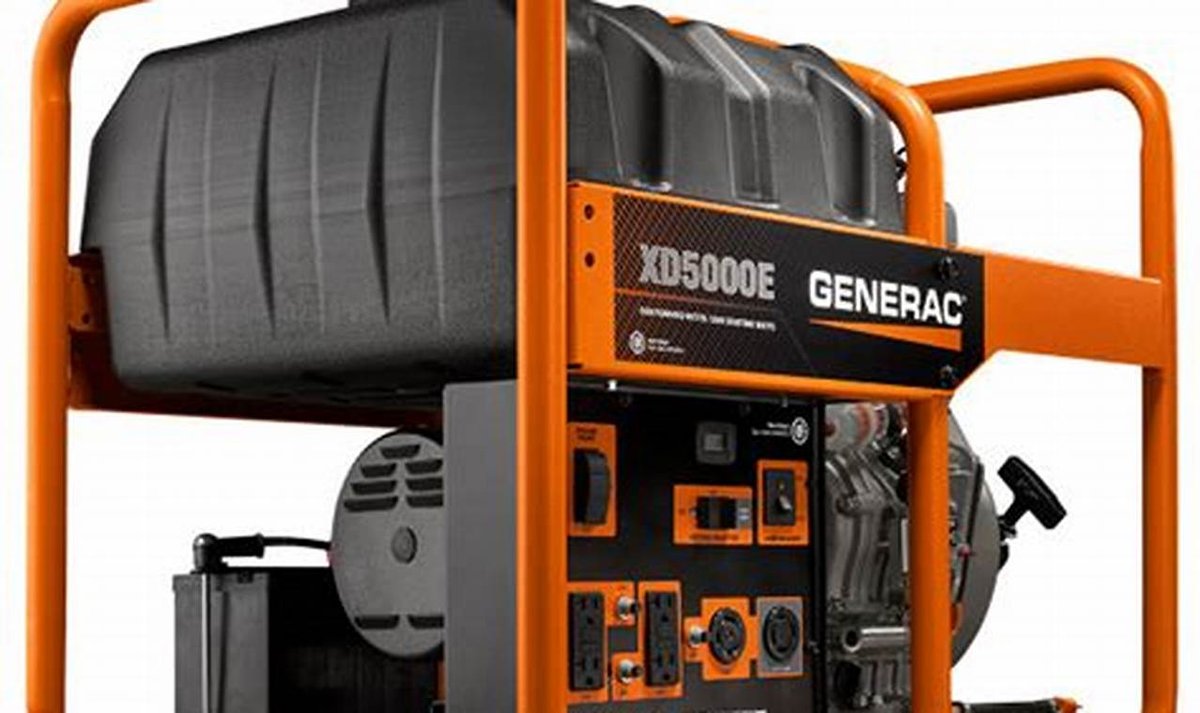
- Generac XD5000E: This is a true workhorse among portable diesel generators. Powered by a robust 435cc Yanmar engine, the XD5000E boasts a 12-gallon fuel tank, offering an impressive run-time of up to 32.4 hours at half load. Its low 6% total harmonic distortion (THD) ensures it's safe for sensitive electronics. Built with a durable steel cradle and a lifting eye, it's an industrial-grade solution perfect for commercial use or extensive remote power needs, despite its weight.
- Generic 3 kW Diesel Generator: A versatile 3 kW diesel option, this model is suitable for camping, residential backup, or light commercial tasks. It features a single-cylinder, 4-stroke air-cooled engine with dual-voltage output (110V/220V) and advanced motor windings to minimize waveform distortion, protecting sensitive devices. Its integrated muffler and shock-absorbing design contribute to quieter operation and stable output, even with its somewhat cumbersome weight.
While these are dedicated diesel models, other portable generator types offer different fuel flexibilities: - Gidrox GNV10000T: A tri-fuel generator, this unit offers exceptional versatility by running on gasoline, propane, or natural gas. It delivers 10,000 starting watts and 8,100 running watts, packed with safety features like a CO sensor, low oil shutdown, and overload protection. Its ATS readiness and remote start add convenience, though its size impacts portability.
- Westinghouse 14500-watt: This robust tri-fuel generator is designed for large homes, providing 14,500 peak watts and 11,500 running watts on gasoline. Its 550cc 4-stroke OHV engine can run for up to 19 hours on a full tank, offering low THD for sensitive electronics. Equipped with a CO sensor, electric start, and durable components, its substantial power comes with a trade-off in transportability.
- Generac iQ5200: This highly portable 5200-watt inverter generator features dual-fuel capability (gasoline/LP gas) and electric start. Its fully enclosed design ensures quiet operation, making it excellent for recreational use or light residential needs. It includes COsense technology, LED indicators, USB ports, and is parallel-ready for increased power.
To dive deeper into how these and other powerful generators can serve your specific needs, you'll want to Explore portable diesel generator uses for homes, RVs, and job sites.
Essential Care for Your Portable Diesel Generator
Just like any valuable equipment, your portable diesel generator performs best and lasts longest with proper care. Diesel generators, known for their durability, still require routine maintenance to ensure they're ready when you need them most. Regular checks of the oil, fuel filter, air filter, and battery, along with proper storage practices, are vital for extending its lifespan and maintaining peak performance. For a comprehensive guide that walks you through every step of seasonal checks and preventative measures, be sure to Get the maintenance guide. Maintain your diesel unit for years of reliable service.
Ensuring Safety and Optimal Setup
Operating any generator, especially a powerful diesel unit, demands strict adherence to safety protocols. Proper setup is not just about functionality; it's about protecting yourself, your family, and your property from potential hazards like carbon monoxide poisoning, electrical shock, and fire. This includes selecting a safe operating location, ensuring proper ventilation, correct grounding, and understanding how to connect it safely to your home or appliances. Your safety is paramount. To learn all the critical steps for setting up and running your generator with confidence, refer to the detailed instructions in Safe Operation & Setup of your portable diesel generator.
Investing in a portable diesel generator means investing in unwavering power and peace of mind. As you've seen, these robust machines offer exceptional reliability, fuel efficiency, and the strength to power your most critical needs. By understanding how to choose the right model, size it correctly, and maintain it diligently, you're well on your way to securing a dependable energy source for any situation. We encourage you to explore each of our dedicated pillar guides to gain even deeper insights and become a true expert in portable diesel power.