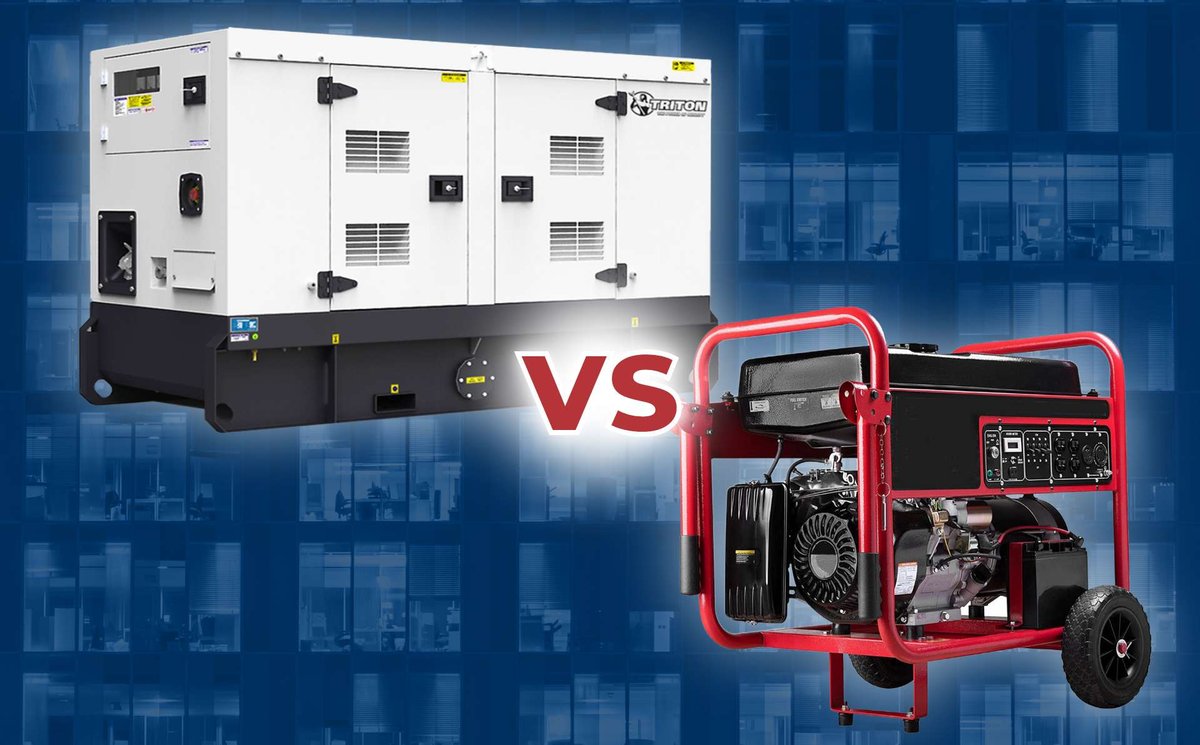
When the lights go out, a portable generator can be your best friend. But with a dizzying array of options – from the old-school rumble of gasoline engines to the quiet hum of modern inverters, and the robust power of diesel units – choosing the right one can feel like deciphering ancient scrolls. This guide cuts through the noise, diving deep into Diesel Generators vs. Other Portable Generator Types to help you make an informed, confident decision.
Forget the technical jargon. We’ll talk about what truly matters: reliability, efficiency, cost, and peace of mind when the grid falters.
At a Glance: Your Portable Generator Cheat Sheet
- Diesel Generators: Known for durability, fuel efficiency (especially under heavy load), long runtimes, and low maintenance. Often cost more upfront but have lower operating costs and a longer lifespan. Can be noisier unless inverter-equipped.
- Gasoline Generators: Most common and affordable portable option. Readily available fuel, but prone to fuel degradation issues during storage. Less fuel-efficient and generally noisier than diesel or propane, with shorter runtimes per tank.
- Propane (LP) Generators: Clean-burning fuel with an indefinite shelf life. Easier storage, lower emissions, and less engine maintenance than gasoline. Can be less fuel-efficient than gasoline or diesel for the same power output, and propane tanks can freeze in extreme cold. Often available as "dual fuel" options.
- Inverter Generators: A type of generator technology, not a fuel. Can run on gasoline, propane, or diesel. Provides "clean" power safe for sensitive electronics. Significantly quieter, more fuel-efficient, and often lighter/more compact than conventional models. Higher upfront cost.
Why Portable Power? The Fundamental Choice
When the power goes out, your first thought is probably about keeping the fridge cold, charging your phone, or perhaps even running essential medical equipment. While whole-house standby generators offer seamless, automatic power, they come with a hefty price tag and permanent installation. Portable generators, on the other hand, offer flexibility and a significantly lower entry cost, making them a popular choice for homeowners, campers, RV enthusiasts, and job sites.
They’re stored out of the way until needed, then wheeled into position to provide temporary power. These units typically range from 2,500 to 8,500 watts, with portable diesel models often pushing from 3 kW up to 15 kW, capable of powering everything from a few essential appliances to a significant portion of your home.
The decision isn't just about how much power you need, but how that power is generated – and that’s where the fuel type and technology make all the difference.
The Contenders: A Fuel-by-Fuel Breakdown
Let's break down the primary fuel types you'll encounter when exploring portable generators, with a keen eye on how diesel stands out.
Diesel Generators: The Workhorse Option
Diesel generators are often overlooked in the portable market, overshadowed by their more common gasoline counterparts. However, for those who demand reliability, efficiency, and long-term durability, portable diesel units offer compelling advantages.
Key Characteristics & Advantages:
- Exceptional Fuel Efficiency: Diesel engines inherently offer better fuel economy than gasoline engines, especially under heavy loads. This means more runtime on less fuel, a critical factor during extended outages. While a typical gasoline portable generator might chew through 12-20 gallons of fuel per day, diesel models offer significantly more runtime on comparable fuel volumes.
- Durability and Longevity: Diesel engines are built tough. They operate at lower RPMs than gasoline engines, leading to less wear and tear and a much longer operational lifespan. They're robust and designed to withstand continuous, demanding use, making them a favorite for construction sites and heavy-duty applications.
- Lower Operating Costs: Despite a higher upfront purchase price, the superior fuel efficiency and reduced maintenance needs (no spark plugs to replace as often, no carburetor to gum up) often translate to lower operating costs over the generator's lifetime.
- Safer Fuel Storage: Diesel fuel is less volatile and less flammable than gasoline, posing a lower risk for storage. It also has a longer shelf life, especially with proper stabilizers, compared to gasoline which can degrade rapidly.
- High Torque: Diesel engines produce more torque, making them ideal for starting and running large, inductive loads like well pumps and air compressors.
- Reliability: Diesel engines are known for their consistent performance, often starting more reliably in cold weather than gasoline engines (though they may require glow plugs).
Potential Drawbacks: - Higher Upfront Cost: Portable diesel generators typically have a higher purchase price than comparable gasoline or propane models.
- Noise and Emissions: Older or non-inverter diesel generators can be louder and produce more exhaust fumes than their gasoline counterparts. However, modern designs and inverter technology are significantly mitigating these issues.
- Weight: Diesel generators tend to be heavier due to their robust engine construction, which can impact portability.
- Cold Weather Starting: While diesel fuel is less volatile, it can gel in extreme cold without specific additives, potentially affecting starting.
Ideal For: Rural homes, small businesses, construction sites, long-term backup power needs, and anyone prioritizing durability and low operating costs over initial purchase price. For a deeper dive into these robust powerhouses, you can learn about portable diesel generators and discover if they're the right fit for your needs.
Gasoline Generators: The Ubiquitous Choice
Gasoline generators are the most common and often the most affordable portable option, making them a go-to for many homeowners.
Key Characteristics & Advantages:
- Lower Initial Cost: They are generally the cheapest to buy, making them accessible to individuals on a budget. Prices typically range from $400 to $2,700 for the unit alone.
- Readily Available Fuel: Gasoline is found at virtually every gas station, making it easy to acquire in normal circumstances.
- Wide Variety: There are countless models, sizes, and brands available, offering options for almost any budget and power requirement.
Potential Drawbacks: - Fuel Storage Issues: Gasoline degrades quickly, especially without fuel stabilizer, leading to clogged carburetors and fuel lines. Storing large quantities safely is also a concern (12-20 gallons per day is a lot to keep on hand).
- Less Fuel Efficient: Gasoline engines consume more fuel per kilowatt-hour of electricity produced compared to diesel, leading to higher operating costs over time.
- Shorter Run Times: Due to lower efficiency, you'll need to refuel more frequently, sometimes every few hours, requiring you to turn the unit off for safety.
- Noise: Conventional gasoline generators are typically the loudest portable option.
- Emissions: They produce more carbon monoxide and other pollutants than propane or modern diesel units.
Ideal For: Budget-conscious buyers experiencing infrequent and relatively short power outages, who are willing to manually start and refuel their generator regularly.
Propane (LP) Generators: The Clean and Convenient Alternative
Propane generators, or increasingly, "dual-fuel" models that run on both gasoline and propane, are gaining popularity for their convenience and cleaner operation.
Key Characteristics & Advantages:
- Clean-Burning Fuel: Propane burns cleaner than gasoline, resulting in fewer engine deposits, less maintenance, and lower emissions.
- Indefinite Shelf Life: Unlike gasoline, propane doesn't degrade, making it an excellent long-term storage fuel. No more worry about stale fuel gumming up your engine.
- Safer Storage: Propane is stored in sealed tanks, eliminating spills and reducing fire hazards compared to open gasoline cans.
- Dual-Fuel Flexibility: Many modern portable generators offer dual-fuel capability, allowing you to switch between gasoline and propane, offering an alternative fuel option after storms or when one fuel source is scarce.
Potential Drawbacks: - Lower Fuel Efficiency (vs. Gasoline/Diesel): Propane has a lower energy density than gasoline or diesel, meaning you'll burn through more propane by volume to produce the same amount of power.
- Tank Freezing: In extremely cold temperatures, propane tanks can lose pressure and "freeze," impacting generator performance unless special heating blankets are used.
- Limited Availability of Large Tanks: While small BBQ tanks are common, sourcing and transporting larger tanks for extended outages can be challenging.
Ideal For: Those seeking a cleaner, lower-maintenance fuel option with excellent storage properties, or who appreciate the flexibility of dual-fuel operation.
Inverter Generators: The Smart Choice for Sensitive Electronics
While not a fuel type, inverter technology has revolutionized portable generators, significantly impacting comparisons between different models. Many portable generators, including gasoline, propane, and increasingly, portable diesel models, now incorporate inverter technology.
Key Characteristics & Advantages:
- Clean, Stable Power: Inverter generators produce "clean" sine wave power, which is crucial for sensitive electronics like laptops, smartphones, medical devices, and high-end audio equipment. This prevents damage that can occur from the "dirty" power of conventional generators.
- Fuel Efficiency: They use a variable-speed engine that adjusts its RPMs based on the power demand. This means the engine isn't constantly running at full throttle, significantly conserving fuel.
- Quiet Operation: The variable engine speed and advanced sound dampening allow inverter generators to operate much quieter than conventional models, often between 50-60 decibels (similar to a normal conversation).
- Compact and Lightweight: Inverters are typically more compact and lighter than conventional generators of similar output, making them easier to transport and store.
- Parallel Capability: Many inverter models can be linked together (paralleled) with a second identical unit to double the power output without needing a single, larger, heavier generator.
- Lower Emissions: Their efficient operation and advanced design often lead to lower emissions.
Potential Drawbacks: - Higher Upfront Cost: Inverter generators are generally more expensive than conventional generators of the same power output.
- Limited High Wattage Options: While powerful inverter models exist, conventional generators often offer higher peak wattage in a single unit. However, parallel capability helps bridge this gap.
Ideal For: Campers, RV owners, tailgaters, anyone needing backup power for sensitive home electronics, and small businesses where noise is a concern. To explore options that deliver premium power for your delicate devices, consider checking out the top inverter generator models.
Beyond Fuel: Key Decision Factors for All Portable Generators
Choosing a generator involves more than just picking a fuel type. Here are other crucial considerations:
1. Power Output & Your Needs
Generators are rated in watts (W) or kilowatts (kW). Smaller models might be 2,500W, enough for a fridge and a few lights. Larger units, like some portable diesel models at 15 kW, can power a significant portion of a house.
Actionable Insight: List all the appliances you absolutely need to run during an outage. Find their starting (surge) wattage and running wattage. The sum of running wattages gives you your continuous power need, and the highest single surge wattage added to your continuous needs gives you your peak requirement. Don't underestimate this; a common pitfall is buying a generator that's too small. You can determine your exact power needs with a detailed guide.
2. Run Time & Fuel Efficiency
How long do you need your generator to run before refueling? Diesel generators typically offer the best fuel efficiency, translating to longer runtimes on a given amount of fuel, especially under sustained heavy loads. Propane is less energy-dense, so it will burn faster than gasoline or diesel for the same output.
3. Noise Levels
Noise is a significant concern, especially in residential areas or campgrounds. Conventional portable generators can be quite loud (70-80 decibels or more), comparable to a vacuum cleaner or a busy street. Inverter generators, regardless of fuel type, are significantly quieter (50-60 decibels), akin to a normal conversation. Diesel generators, traditionally louder, are seeing advancements with inverter technology and improved mufflers.
4. Maintenance & Durability
Diesel generators are renowned for their durability and low maintenance requirements over their long lifespan. Gasoline engines, particularly their carburetors, are more susceptible to issues from stale fuel. Propane offers fewer engine issues but may still require routine checks. All generators require periodic maintenance—inspections, oil changes, and fuel system checks—to ensure readiness. This includes knowing your comprehensive maintenance checklist for your generator.
5. Initial Cost vs. Operating Cost
- Initial Cost: Gasoline generators are usually the cheapest ($400-$2,700). Propane and dual-fuel models are a bit more. Diesel generators and inverter generators are typically the most expensive upfront.
- Operating Cost: Factor in fuel efficiency and fuel cost. While diesel generators cost more to buy, their superior fuel efficiency and longevity often lead to lower operating costs over time. Gasoline might be cheap to buy, but frequent refueling and potential repair costs from fuel degradation can add up.
6. Portability & Storage
Portable generators are designed for ease of mobility, often equipped with wheels and handles. Diesel generators tend to be heavier, but advances in design are making them more manageable. Consider the unit's physical size and weight, and where you'll store it safely and accessibly.
7. Environmental Impact
Propane generators produce the lowest emissions among fossil-fuel portable options. Modern inverter generators (regardless of fuel) are also designed for lower emissions. Diesel emissions, while traditionally higher, are improving with newer engine technologies.
Who Needs What? Matching Generator to User
Your ideal generator depends on your specific circumstances and priorities.
- For the Occasional Outage & Budget-Conscious User: A gasoline portable generator (non-inverter) is usually the most economical choice upfront. Be prepared for manual refueling and managing fuel storage.
- For the RV/Camper/Sensitive Electronics User: An inverter generator is non-negotiable. Whether gasoline, propane, or diesel, the clean power, quiet operation, and fuel efficiency make it superior for these applications.
- For the Rural Homeowner / Extended Outage Prep: A portable diesel generator (especially an inverter diesel) or a propane/dual-fuel generator is highly recommended. Diesel offers unmatched durability and fuel efficiency for long runtimes. Propane offers indefinite fuel storage without degradation worries. Consider connecting to your electrical panel via a transfer switch for hardwired appliances like well pumps.
- For the Contractor/Job Site: A portable diesel generator is often the workhorse of choice due to its ruggedness, high torque for power tools, and fuel efficiency under continuous heavy loads.
Making Your Decision: A Step-by-Step Guide
- Assess Your Power Needs: Create a detailed list of essential appliances and their wattage. Don't forget surge wattage.
- Determine Runtime Requirements: How long are your typical outages? Do you need a generator that can run for days, or just a few hours?
- Consider Your Budget: Factor in both the initial purchase price and long-term operating costs (fuel, maintenance).
- Evaluate Fuel Availability & Storage: Which fuel is easiest for you to acquire and store safely in sufficient quantities?
- Prioritize Features: Is quiet operation paramount? Do you need clean power for sensitive electronics? Is durability your top concern?
- Review Safety Features: Look for CO shutoff sensors and other safety innovations.
The Diesel Advantage: When Diesel Shines Brightest
If your power needs are substantial, if you anticipate long or frequent outages, or if you simply demand the utmost in durability and efficiency, a portable diesel generator often emerges as the superior choice. Yes, the initial investment is higher, but the long-term savings in fuel and maintenance, coupled with the peace of mind that comes from owning a truly robust power source, can make it an incredibly cost-effective and reliable solution. For continuous heavy use, particularly in commercial or demanding residential scenarios, diesel’s inherent strengths really come into their own.
Portable Generator Safety: Non-Negotiable Rules
No matter which type of portable generator you choose, safety must always be your top priority. Portable generators emit carbon monoxide (CO), a colorless, odorless gas that can be deadly.
- Never Operate Indoors: This includes garages (even open ones), sheds, basements, or any partially enclosed space. CO can build up rapidly.
- Maintain Distance: Position your portable generator at least 20 feet from your house, with the exhaust directed away from the building, windows, doors, and air conditioning units.
- Install CO Detectors: Have working, battery-powered CO detectors in your living spaces. These are your early warning system for a silent killer.
- Use a Transfer Switch for Hardwired Appliances: For larger models powering hardwired appliances (like well pumps or water heaters), use a professionally installed manual transfer switch. This safely isolates your home's electrical system from the utility grid, preventing dangerous backfeed that can injure utility workers. Understanding how a transfer switch works and why you need one is critical for safe home backup.
- Refuel Safely: Always turn off the generator and let it cool before refueling to minimize fire danger. Store fuel in approved containers.
New portable generators often include a built-in carbon monoxide (CO) sensor that triggers an automatic shutoff if CO builds up to dangerous levels, and some models feature engines designed to emit less CO. These advancements are important, but they do not replace following fundamental safety guidelines. Always adhere to essential generator safety practices to protect yourself and your family.
Your Next Steps for Reliable Power
Choosing between diesel generators and other portable types boils down to understanding your specific needs and priorities. Do you value upfront savings or long-term efficiency? Is quiet operation a must, or is brute power your primary concern?
Take the time to assess your power requirements, consider your budget, and weigh the pros and cons of each fuel type and technology. Once you've narrowed down your options, research specific models, read reviews, and don't hesitate to consult with generator experts. Investing in a reliable portable generator is an investment in your safety and comfort when the unexpected happens, so choose wisely.