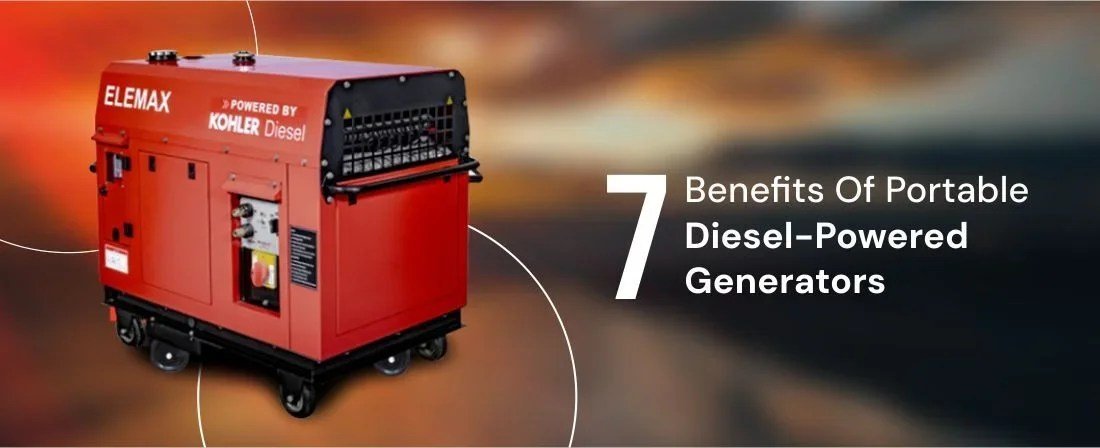
When the grid goes dark, the construction site hums to a halt, or that remote cabin needs warmth and light, there's one unsung hero often called upon: the portable diesel generator. These compact powerhouses are the workhorses of reliability, delivering consistent electricity precisely where and when it's needed most. Understanding the myriad applications & use cases for portable diesel generators isn't just about knowing what they do; it's about appreciating the critical role they play in keeping our modern world—and our lives—moving forward, even in the most challenging environments.
Far from being mere backup solutions, portable diesel generators are often primary power sources for vital operations that simply can't afford to be tethered to a fixed power grid. From ensuring patient safety in an emergency clinic to powering the essential tools that build our infrastructure, their versatility makes them indispensable.
At a Glance: Portable Diesel Power Unpacked
- Reliable Anywhere: Portable diesel generators provide stable, efficient power for off-grid, remote, or emergency situations.
- Fuel-Efficient Workhorses: Diesel engines convert more fuel energy into power than gasoline, saving you money on operational costs, especially during long-duration use.
- Built to Last: Designed for demanding conditions, these generators offer exceptional durability and engine longevity, often running for thousands of hours with proper maintenance.
- Diverse Applications: From construction sites and disaster relief to remote cabins and outdoor events, their use cases span virtually any scenario requiring independent power.
- Smart Choices: Selecting the right portable diesel generator involves assessing power needs, considering size, noise, and crucial safety features.
Why Portable Power Matters: A Deep Dive into Diesel's Role
Imagine a crucial medical facility losing power during a storm, or a remote construction crew unable to operate vital machinery. In these scenarios, the ability to generate electricity independently isn't just convenient; it's a lifeline. This is where portable diesel generators shine, acting as both primary power in off-grid locations and indispensable backups during outages. They're not just about powering lights; they're about maintaining continuity, productivity, and safety across diverse industries and personal needs.
At their core, a diesel generator system (or "genset") transforms the chemical energy stored in diesel fuel into usable electrical energy. It's a remarkably efficient process driven by a robust diesel engine linked to an alternator. The engine burns diesel, creating mechanical energy that spins the alternator, which then, through electromagnetic induction, converts that mechanical energy into electricity. A sophisticated control panel acts as the brain, regulating operations and ensuring a consistent, steady power output. This self-contained ability to create electricity on demand is what makes them so vital for remote and emergency needs.
Modern diesel engines, particularly those found in portable units, are marvels of engineering. They operate on a four-stroke compression ignition cycle – intake, compression, power, exhaust – where air is compressed to such a high degree that it generates enough heat to ignite injected diesel fuel without a spark plug. This inherent efficiency, coupled with advancements like turbochargers, precise fuel injection, and Electronic Control Units (ECUs), means today's portable diesel generators deliver exceptional fuel economy and remarkable durability.
The Unsung Heroes: Core Applications & Use Cases
Portable diesel generators are more than just a power source; they are enablers, making operations possible in places and times where traditional grid power is absent or unreliable. Their robust design and fuel efficiency make them ideal for extended periods of use, which is critical across many sectors.
Powering Remote Work Sites & Construction Zones
Construction sites are often temporary, mobile, and located far from stable power grids. Portable diesel generators are the backbone of these operations, providing essential electricity for:
- Heavy Machinery: Powering saws, drills, welders, and other high-demand tools that are critical for building and development.
- Site Lighting: Ensuring work can continue safely during low-light conditions or through the night, preventing delays and accidents.
- Office Trailers & Workshops: Supplying power for computers, communication equipment, heating/cooling, and essential amenities for onsite staff.
- Remote Pumps: Enabling water removal from excavations or supplying water for mixing concrete in areas without municipal access.
They offer the resilience to withstand harsh environmental conditions commonly found on construction sites, making them a go-to for project managers worldwide.
Emergency Preparedness & Disaster Relief
When natural disasters strike or the power grid fails, portable diesel generators become critical infrastructure, often the difference between chaos and recovery.
- Hospitals & Healthcare Facilities: While larger stationary generators protect major hospitals, portable units are invaluable for temporary clinics, field hospitals, or isolated medical outposts, ensuring life-saving equipment, lighting, and refrigeration remain functional. Hospitals regularly rely on backup power to avoid an average of 45 hours of critical downtime annually.
- Residential Backup: For homeowners in areas prone to outages, a portable diesel generator can keep essential appliances running—refrigerators, freezers, communication devices, and heating/cooling systems—providing peace of mind and preventing significant losses. You might need anywhere from 2,000-7,500 watts for essential items, or 10,000-20,000+ watts to power an entire home.
- Communication Hubs: Keeping telecommunications networks operational is paramount during emergencies. Portable units power cell towers and base stations, ensuring vital communication lines stay open for first responders and affected communities.
- Public Shelters & Aid Stations: Providing power for lighting, cooking, heating, and charging essential devices in community centers transformed into emergency shelters.
Their immediate response capability, typically starting within 10 seconds of an outage, ensures seamless transitions during critical moments.
Off-Grid Living & Recreational Adventures
For those who embrace a lifestyle beyond the reach of traditional utilities, or adventurers seeking comfort in the wild, portable diesel generators are a staple.
- Off-Grid Cabins & Tiny Homes: Providing primary power for lighting, appliances, water pumps, and heating systems in remote dwellings.
- RVs & Campers: Enabling a more comfortable camping experience by running air conditioners, microwaves, and entertainment systems far from electrical hookups.
- Expeditions & Remote Research: Powering scientific equipment, communication devices, and essential living quarters during long-duration field research in isolated locations.
Their fuel efficiency means longer run times between refueling, a major advantage when sources are scarce.
Powering Agriculture & Farming Operations
Modern agriculture relies heavily on electricity, often in expansive rural areas where grid access can be limited or unreliable.
- Irrigation Systems: Powering pumps to draw water for crops, crucial during dry spells to protect harvests.
- Grain Dryers & Processing Equipment: Ensuring continuity in post-harvest processing, which is time-sensitive and critical for preserving crop quality.
- Livestock Facilities: Providing power for ventilation, heating, and automated feeding systems in barns and dairies, safeguarding animal welfare and productivity.
- Remote Wells & Fences: Powering electric fences and water pumps in distant pastures, essential for livestock management.
Portable diesel generators offer the robust, continuous power needed for these critical, often all-day, agricultural tasks.
Events & Mobile Businesses
From vibrant food festivals to quiet film sets, portable diesel generators provide the necessary juice for temporary setups.
- Food Trucks & Mobile Kitchens: Powering cooking equipment, refrigeration, and lighting, allowing businesses to operate anywhere.
- Outdoor Concerts & Festivals: Supplying electricity for sound systems, lighting rigs, vendor stalls, and temporary stages.
- Film & Television Production: Providing reliable power for cameras, lighting, sound equipment, and mobile command centers on location shoots.
- Pop-Up Shops & Markets: Enabling temporary retail spaces to operate cash registers, lighting, and payment systems.
Their quiet operation (modern portable units can run at 50-55 decibels) makes them suitable for public events without causing disruptive noise.
Supporting Telecommunications & Critical Infrastructure
Maintaining communication and essential services is non-negotiable in our interconnected world.
- Cell Towers & Data Centers: Ensuring these vital hubs remain operational during power outages, safeguarding internet and phone services.
- Traffic Management Systems: Powering signals and monitoring equipment, particularly during large events or emergencies, to maintain public order and safety.
- Remote Monitoring Stations: Providing power for sensors and data collection equipment in environmental monitoring, pipeline surveillance, or security applications.
In these roles, the rapid startup capability of diesel generators—often within seconds—is paramount for uninterrupted service.
The Diesel Advantage: Why Portable Units Stand Out
When it comes to portable power, diesel generators offer a compelling set of benefits that often tip the scales in their favor, especially for demanding or long-duration applications.
Unmatched Reliability & Durability
Diesel generators are engineered to withstand the toughest conditions, often built for continuous operation over thousands of hours. They are inherently less susceptible to ignition risks than gasoline engines, contributing to their reputation for reliability. With proper maintenance, these machines can easily achieve 10,000 to 30,000 operational hours.
Superior Fuel Efficiency
This is where diesel truly shines. Diesel engines convert approximately 45% of fuel energy into usable power, significantly outperforming gasoline engines (around 30%). For you, this translates directly into lower operational costs and longer run times between refueling. Portable diesel generators can often run 8 hours per liter, saving up to 20% on fuel costs compared to their gasoline counterparts. To learn more about strategies to maximize generator fuel efficiency, check out our guide. Optimal fuel efficiency is typically achieved when the generator operates at 50-75% of its rated load.
Extended Long-Duration Usage
Many portable diesel generators are designed for continuous, stable power output for 10-15 hours or more without overheating. This makes them ideal for applications requiring consistent power over long periods, such as agricultural irrigation systems or extended remote operations.
Minimal Maintenance Requirements
The compression ignition system of a diesel engine eliminates the need for spark plugs, which are a common point of failure and maintenance in gasoline engines. While regular checks and filter replacements are still essential, the overall maintenance demands of a diesel unit tend to be lower, contributing to less downtime and reduced long-term costs. For comprehensive care, consider following essential maintenance tips for your diesel generator.
Intelligent Energy Management
Many modern portable diesel generators incorporate smart energy management systems. These systems can automatically adjust power output based on real-time demand, which not only provides stable power but also reduces fuel consumption by 10-20%. This adaptive capability further enhances their efficiency and extends run times.
Higher Power Output Capabilities
Even in a portable format, diesel generators can deliver substantial power, making them suitable for running multiple heavy-duty tools or essential appliances simultaneously. While a portable 2 kW unit might weigh around 50 kg for camping, larger portable units can still pack a significant punch.
Long-Term Cost-Effectiveness
While the initial purchase price of a portable diesel generator might be about 20% higher than a comparable gasoline model, the significant savings on fuel efficiency and the longer lifespan of the diesel engine often offset this cost within a year or two. This makes them a more cost-effective solution in the long run, especially for frequent or critical use.
Making the Smart Choice: What to Look for in a Portable Diesel Generator
Choosing the right portable diesel generator isn't a one-size-fits-all decision. It requires careful consideration of your specific needs, the environment it will operate in, and long-term performance expectations.
1. Assess Your Power Needs Accurately
The absolute first step is to determine exactly how much power you require. You'll need to calculate both the "running watts" (the continuous power needed) and the "surge watts" (the extra power needed for a few seconds when appliances or tools start up).
- List all essential equipment: Identify everything you plan to power simultaneously.
- Check wattage requirements: Look for wattage listed on the appliance or tool. For motor-driven items, note the surge wattage.
- Add it up: Sum the running watts of all concurrent items, then identify the single highest surge wattage and add it to your total running watts. This gives you a good estimate of the generator size needed.
For residential emergency use, 2,000-7,500 watts might cover essential items, while 10,000-20,000+ watts could power an entire home. Commercial and industrial portable needs can range from 50 kW to over 500 kW. Dive deeper into sizing a generator for your specific needs to ensure you get it right.
2. Evaluate Size, Weight, and True Portability
"Portable" can mean different things. For camping or light use, a unit weighing around 50 kg (e.g., a 2 kW generator) with wheels and handles is genuinely portable. For construction sites, "portable" might mean trailer-mounted or on heavy-duty wheels. Consider:
- Physical dimensions: Will it fit in your vehicle or storage space?
- Weight: Can you move it yourself, or will you need assistance or specialized equipment?
- Transportation features: Look for sturdy wheels, lifting hooks, and robust handles.
3. Consider Noise Levels and Emissions
Diesel generators, historically, have had a reputation for being noisy. However, modern advancements have led to significant improvements.
- Acoustic enclosures: Many portable diesel generators now come with soundproof enclosures that can reduce operational noise to around 50-55 decibels, comparable to a normal conversation. This is crucial for residential use, events, or any noise-sensitive environment.
- Emissions compliance: Be aware of local emissions regulations (e.g., Tier 4 or Euro Stage V). Modern generators use technologies like Selective Catalytic Reduction (SCR) and Diesel Particulate Filters (DPFs) to reduce pollutants. Understanding the environmental impact of generators is an important part of responsible ownership.
4. Explore Safety Features and Smart Technologies
Safety and ease of use are paramount. Look for generators equipped with:
- Automatic shutdown: For low oil pressure, high engine temperature, or other critical faults.
- Overload protection: To prevent damage to the generator and connected appliances.
- Automatic Voltage Regulation (AVR): Ensures a stable power output, protecting sensitive electronics.
- Automatic Transfer Switches (ATS): For seamless, automatic activation during a power outage if you're using it for backup.
- Remote monitoring: Allows you to check performance, fuel levels, and receive alerts from a distance.
- Fuel optimization: Systems that adjust engine speed to match load, further improving efficiency.
5. Verify Brand Reputation and Support
A generator is a significant investment. Choose a brand with a proven track record for reliability, quality, and excellent customer support. Read reviews, inquire about warranty coverage, and ensure spare parts and servicing are readily available. A reputable manufacturer will stand behind their product for years of dependable service.
Your Power, Your Peace of Mind: Final Thoughts on Portable Diesel Generators
Portable diesel generators are more than just machines; they are crucial enablers of continuity, safety, and productivity in a world where reliable power isn't always a given. From the remote corners of a construction site to the critical care unit of a disaster relief operation, their robust design, exceptional fuel efficiency, and long-duration capabilities make them an unparalleled choice.
By understanding their diverse applications and carefully considering the factors involved in choosing the right unit, you can harness the power of these versatile machines to meet your specific needs. Whether it's ensuring your family's comfort during an outage or keeping a critical project on schedule, a portable diesel generator provides the confidence of knowing you have dependable power at your fingertips.
Ready to explore your options further and gain an even deeper understanding of these indispensable devices? You can start by diving deeper into the world of portable diesel generators and discovering how they can empower your next project or provide unparalleled peace of mind.